Andres Videla

Revenue systems that stay correct under load.

Enterprise architect for lead-to-cash, integration and applied AI in B2B SaaS.

I design the systems that turn a quote into a contract, an invoice and a ledger entry. My work is keeping them correct at large data volumes, across the boundaries between CRM, billing and ERP, and now with AI in the engineering loop.

Lead-to-cash flow with common failure points Five stages from quote to ledger. Between them: calculation latency, races between automations, duplicate or out of order events, and CRM and ERP divergence. Quote CPQ and RLM Order Order management Contract Amendments, renewals Invoice Billing Ledger ERP: NetSuite, SAP Calculation latency at peak loadRead the case Races between automations Duplicate or out of order events CRM and ERP divergence
Where lead-to-cash tends to break. Each marked boundary links to a case as it is published.

Portfolio

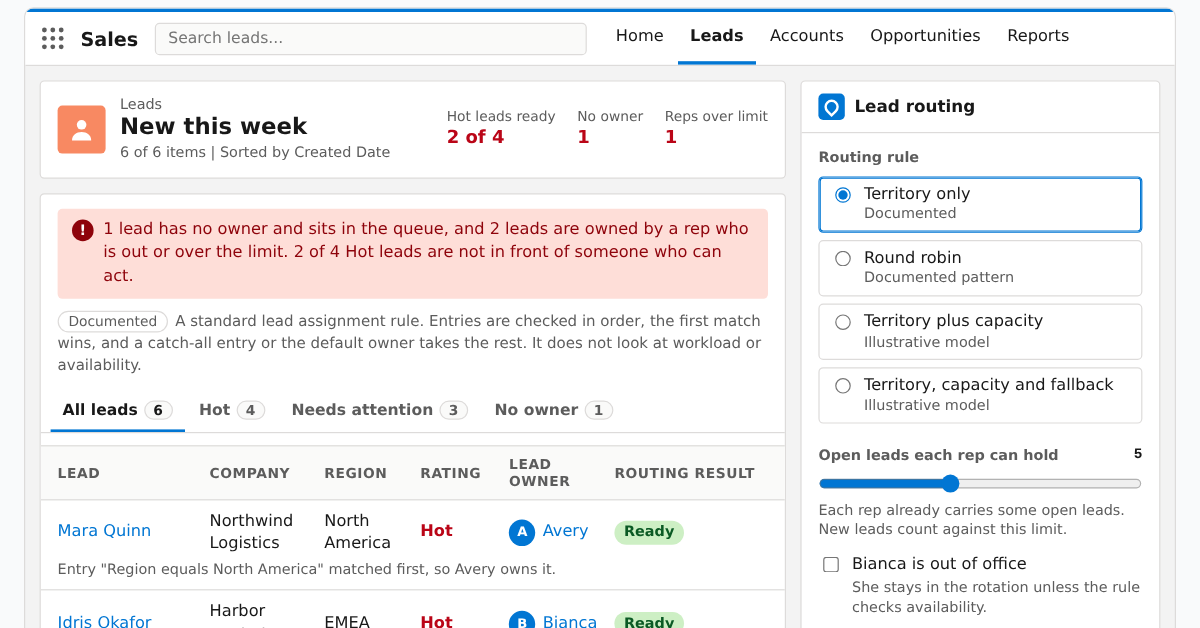
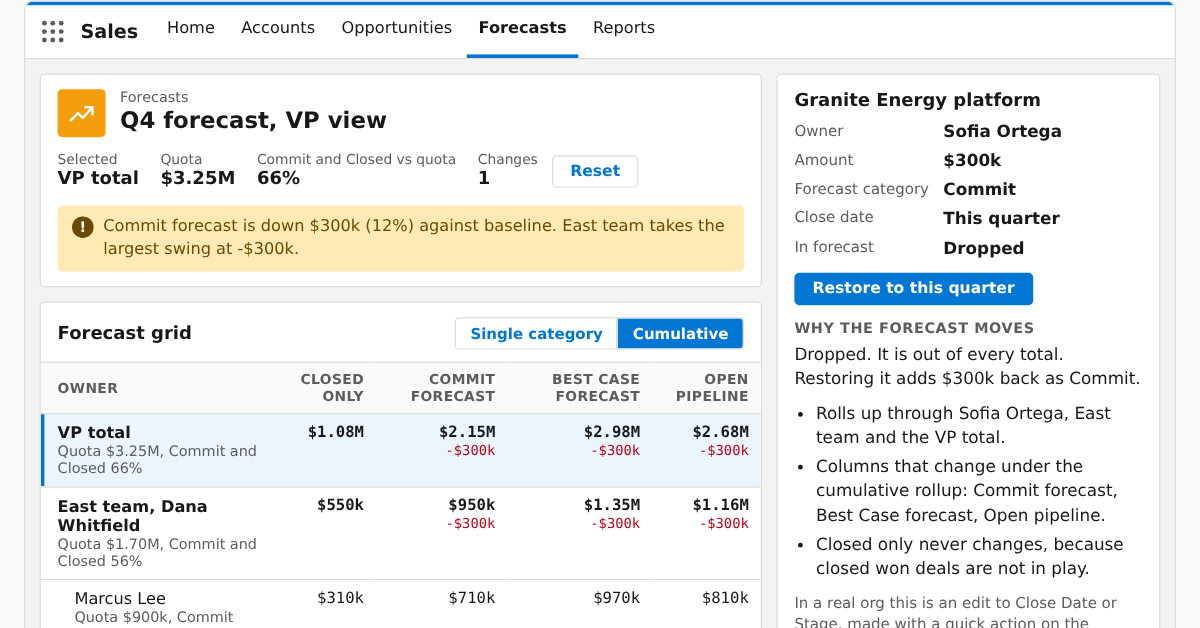
Interactive demos and architecture write-ups. Everything here uses fictional data or composite cases, and each piece opens on its own page.

CPQ and Revenue Cloud

Pricing, quoting, approvals and the road to Revenue Cloud.

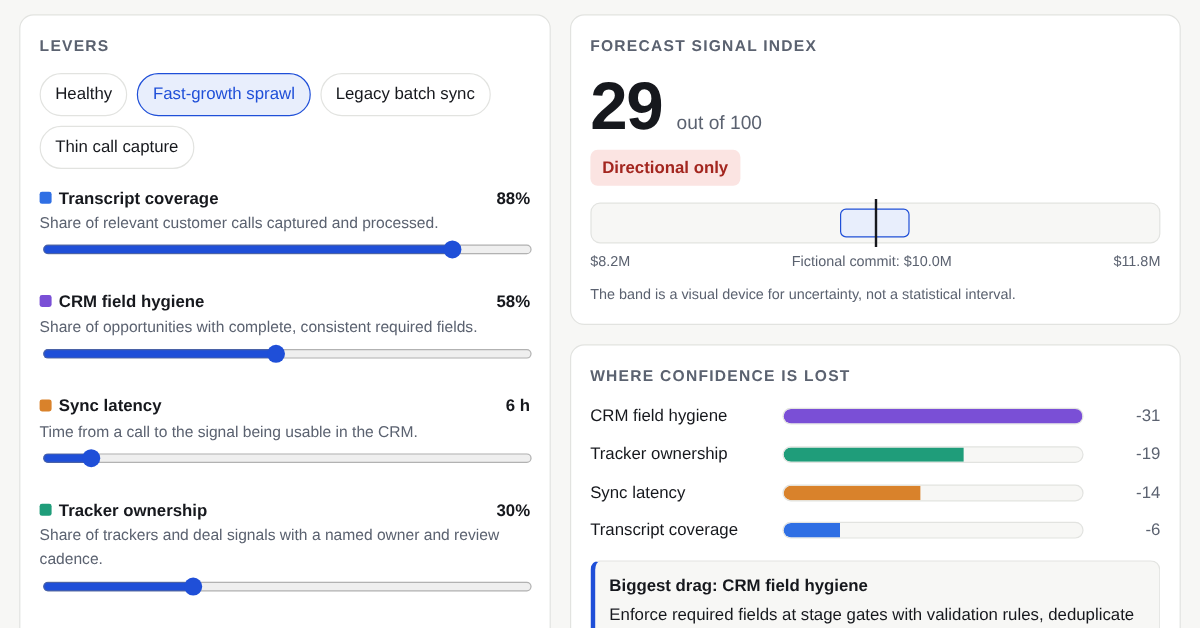
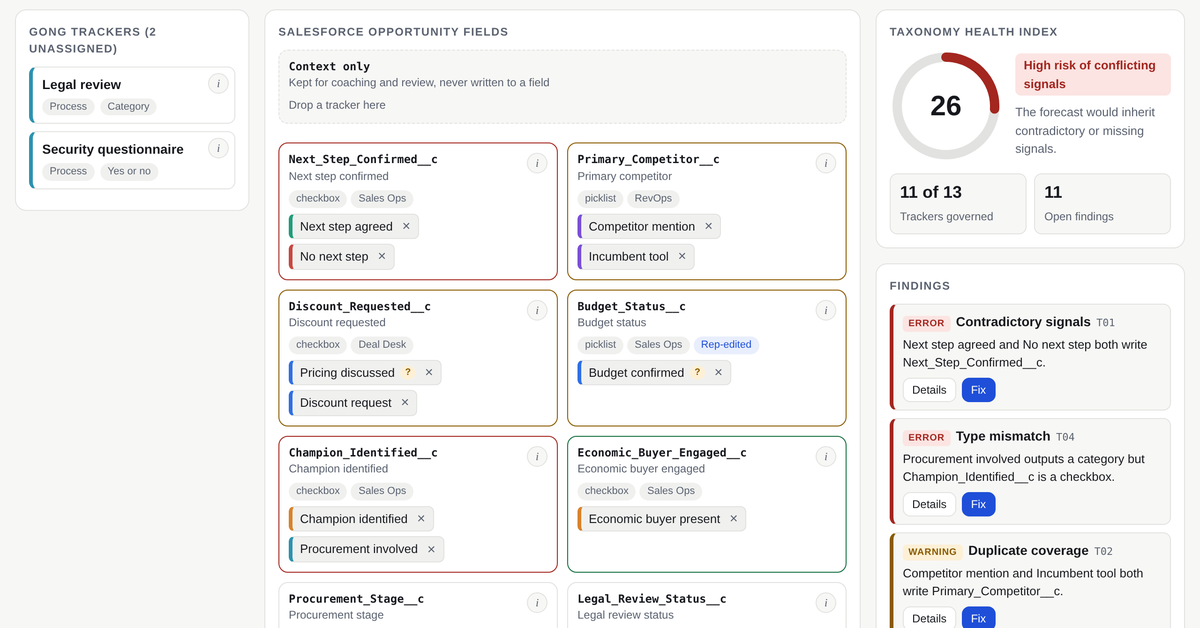
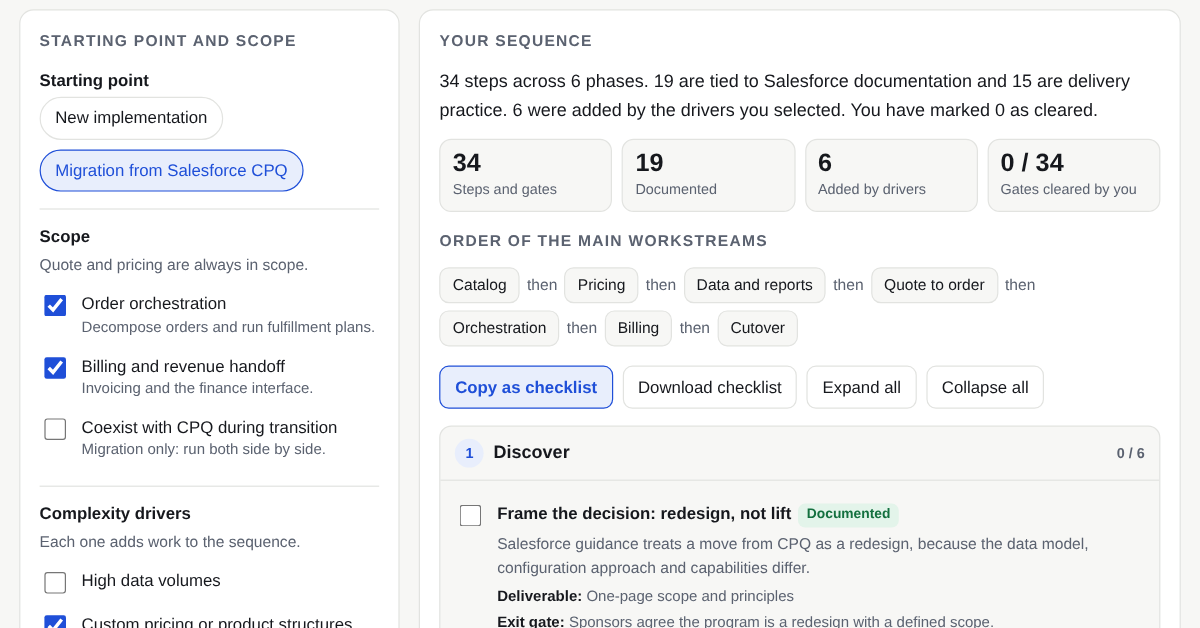
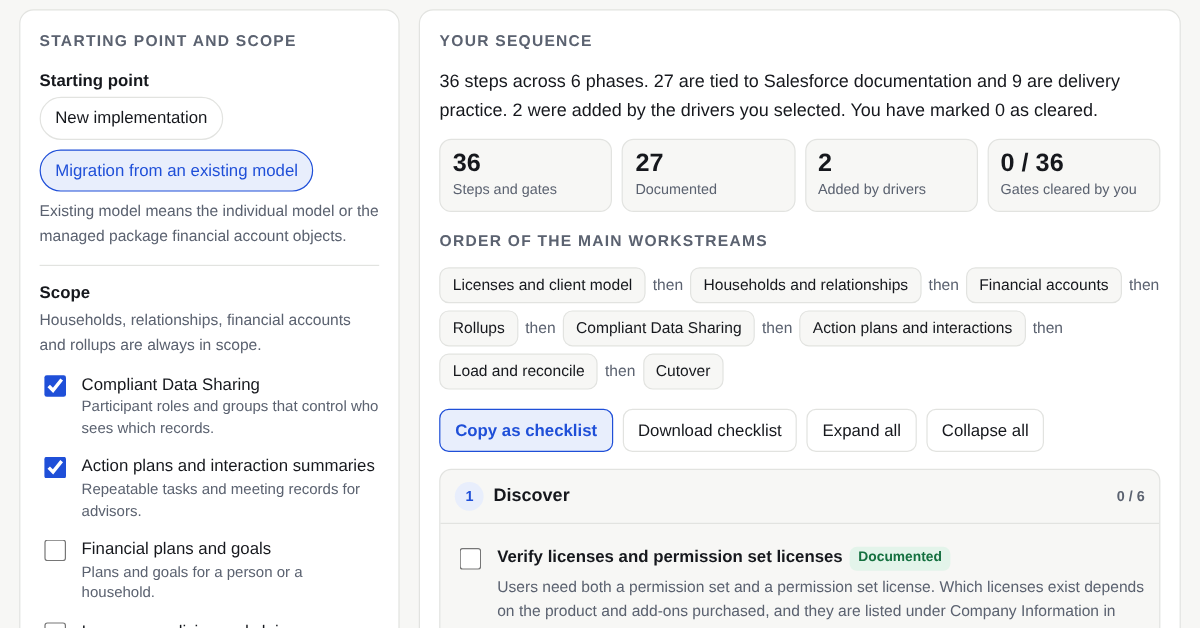
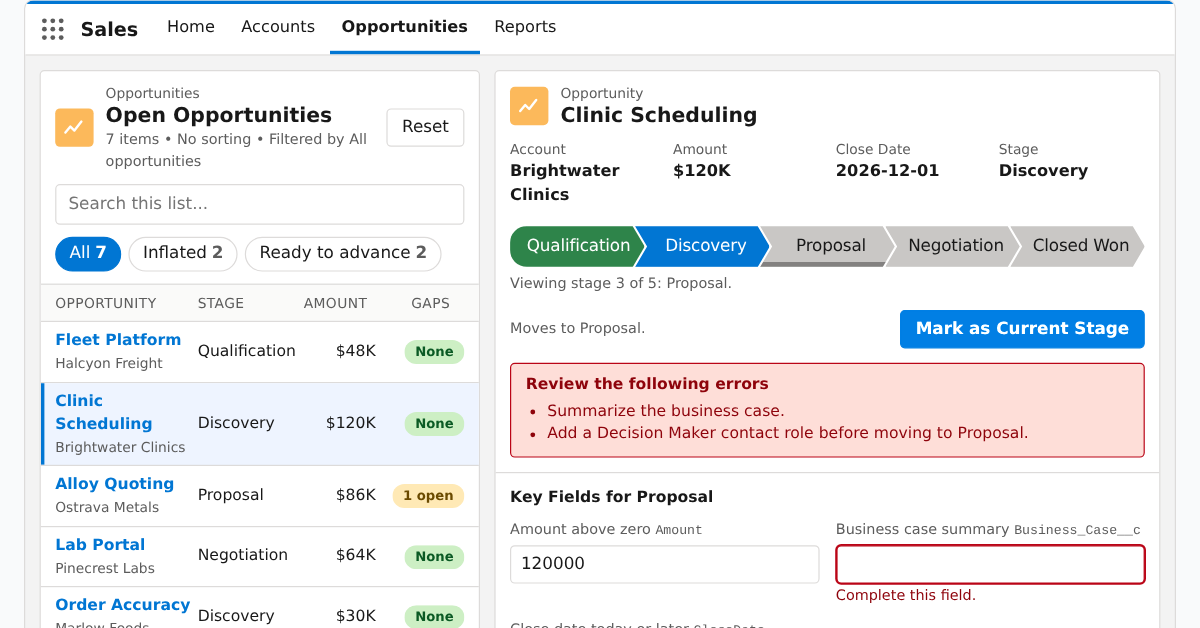
See all work Interactive demo Screenshot of the Lightning-style opportunity stage exit checklist: an Opportunities list view beside a record page with a Path, where moving to Proposal is blocked and the missing items are listed. Salesforce Sales Cloud: opportunity stage exit checklist On a Lightning-style Opportunities list view and record page, pick a stage on the Path and see a validation rule and a Flow block the move until the evidence is on the record, then switch the rule off to see what an unguarded save lets through. Open the demo

Back to top

Areas of practice

Lead-to-cash and monetization engines

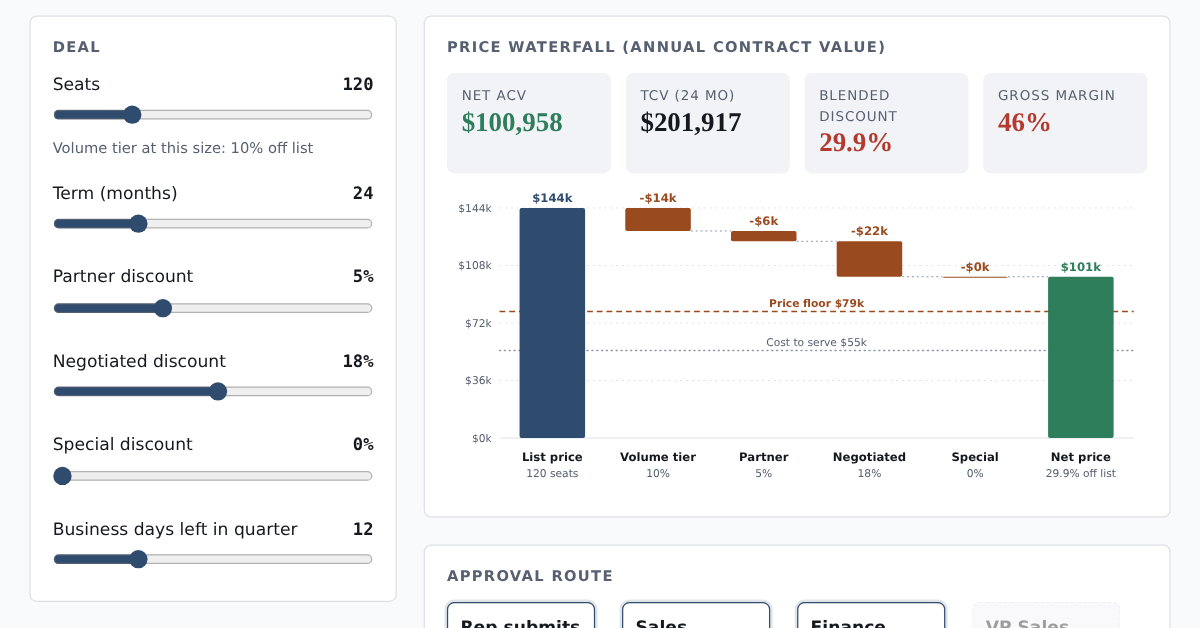
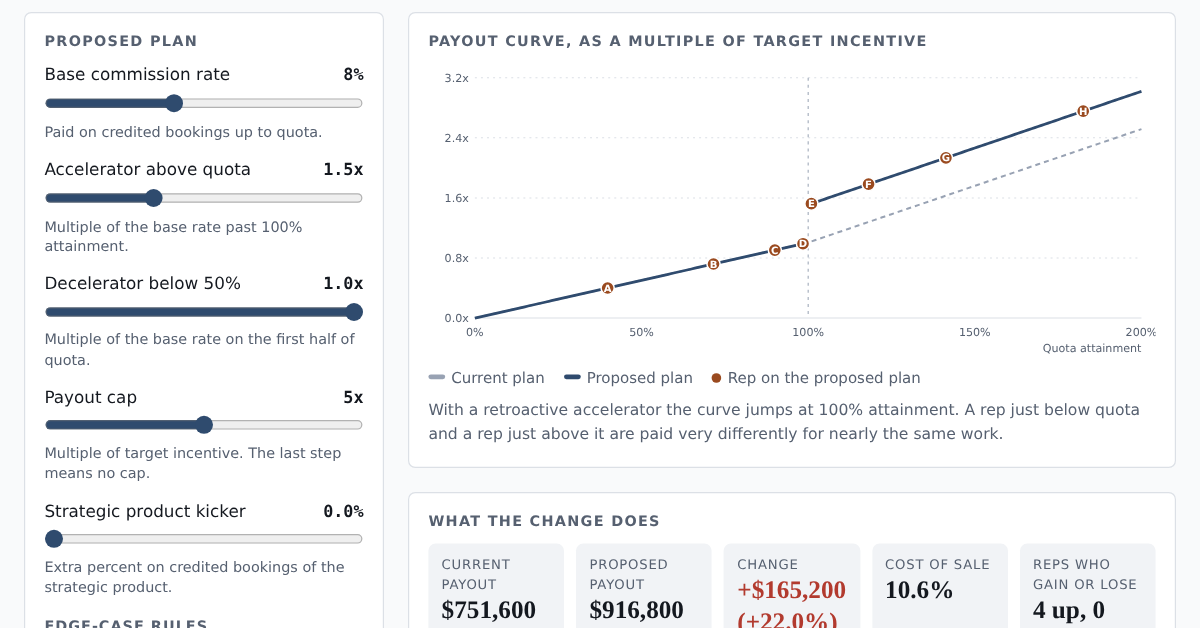
Pricing, quoting, contracting, billing and incentive compensation form one pipeline, and its failures compound downstream. I design CPQ and Revenue Lifecycle Management models with explicit state, idempotent transitions and an audit trail that finance can trust. The work covers product and pricing models, amendments and renewals, approval routing, the billing handoff and incentive plans in Spiff.

Distributed integration and ERP orchestration

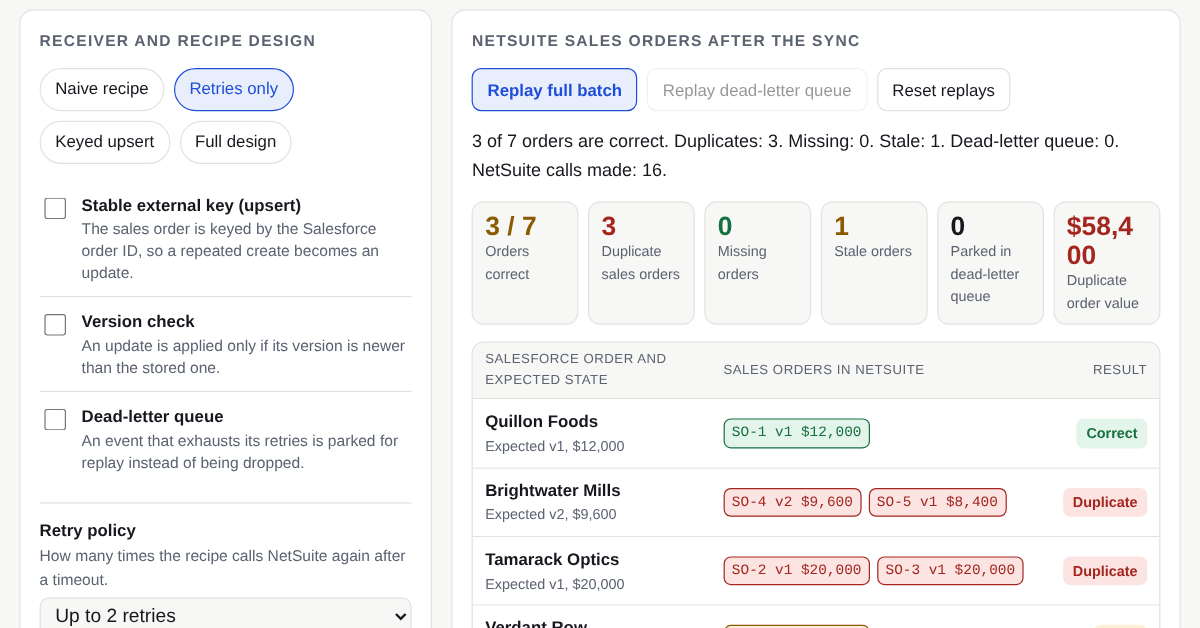
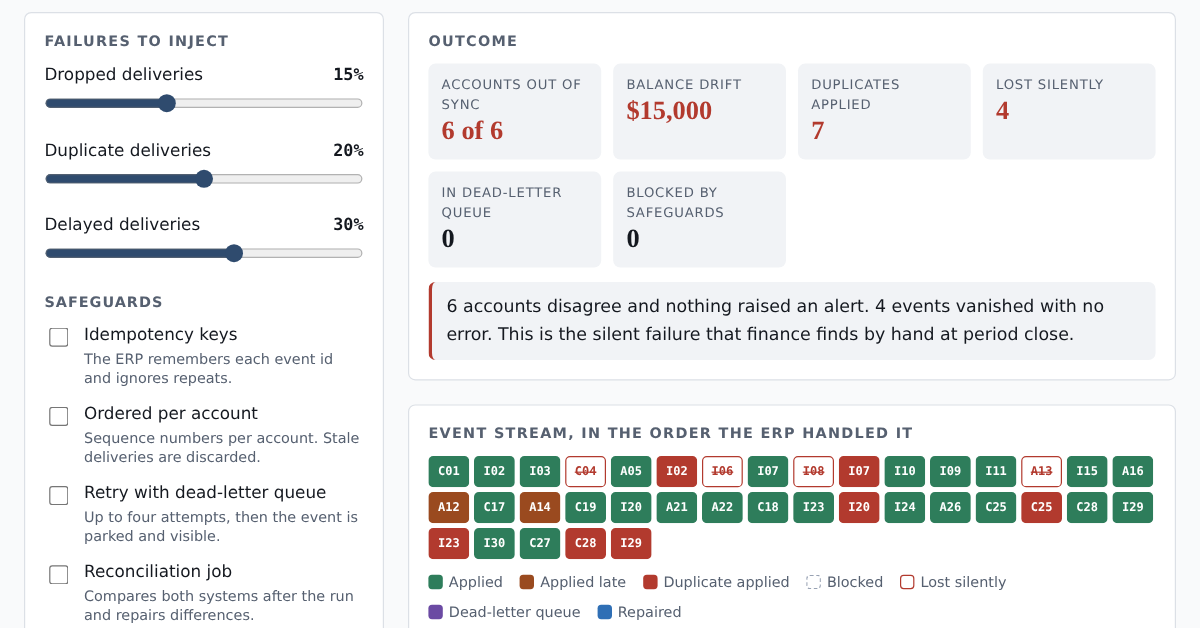
Systems of record disagree unless integration is designed as a contract. I build event-driven flows and bidirectional syncs between Salesforce and NetSuite, SAP, Oracle, Workday and Stripe, with idempotency keys, retry and dead-letter handling, and reconciliation that detects divergence instead of assuming consistency. The middleware is mostly Workato, over REST and SOAP APIs.

Data reliability and GTM infrastructure

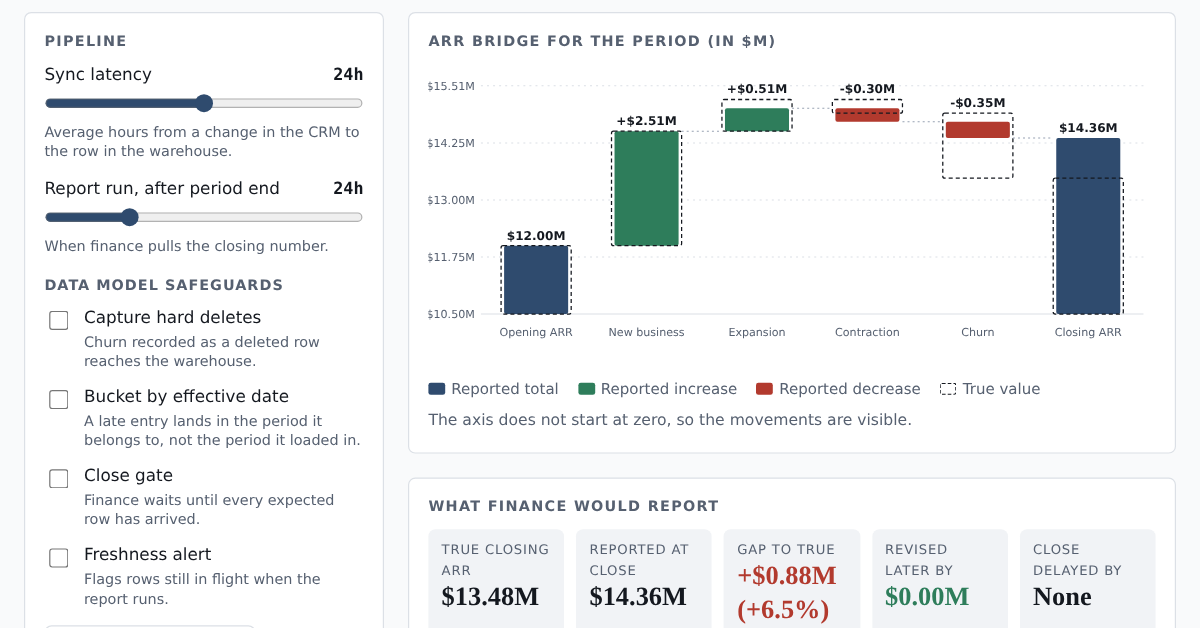
Revenue data has to be correct, queryable and governed at multi-million record scale. I work on large data volume design, Data Cloud, Snowflake and Fivetran pipelines, deployment pipelines for Salesforce metadata, and the Apex and Python layer in between. Reliability is an engineering property with tests, monitoring and release discipline behind it.

Applied AI in engineering

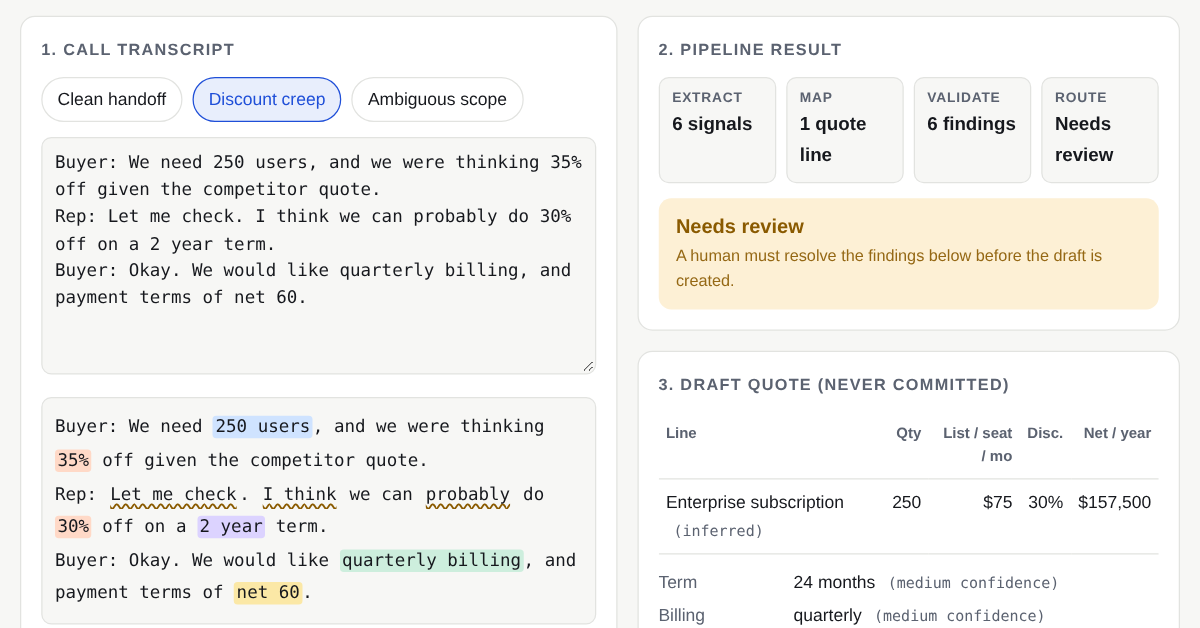
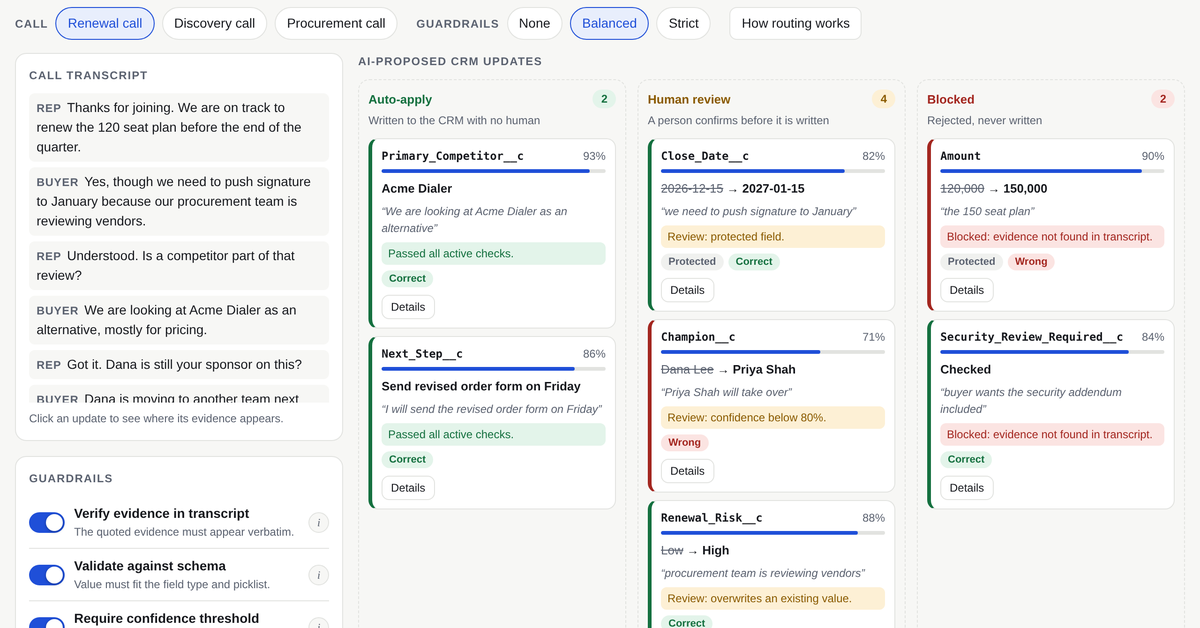
AI is now part of how I build. I use large language models to accelerate integration recipes, data governance models and ETL, and to review metadata, generate tests and draft runbooks. The rules are simple: deterministic behavior at system boundaries, a human accountable for every change that reaches production, evaluation before trust, and no sensitive data in prompts.

Back to top
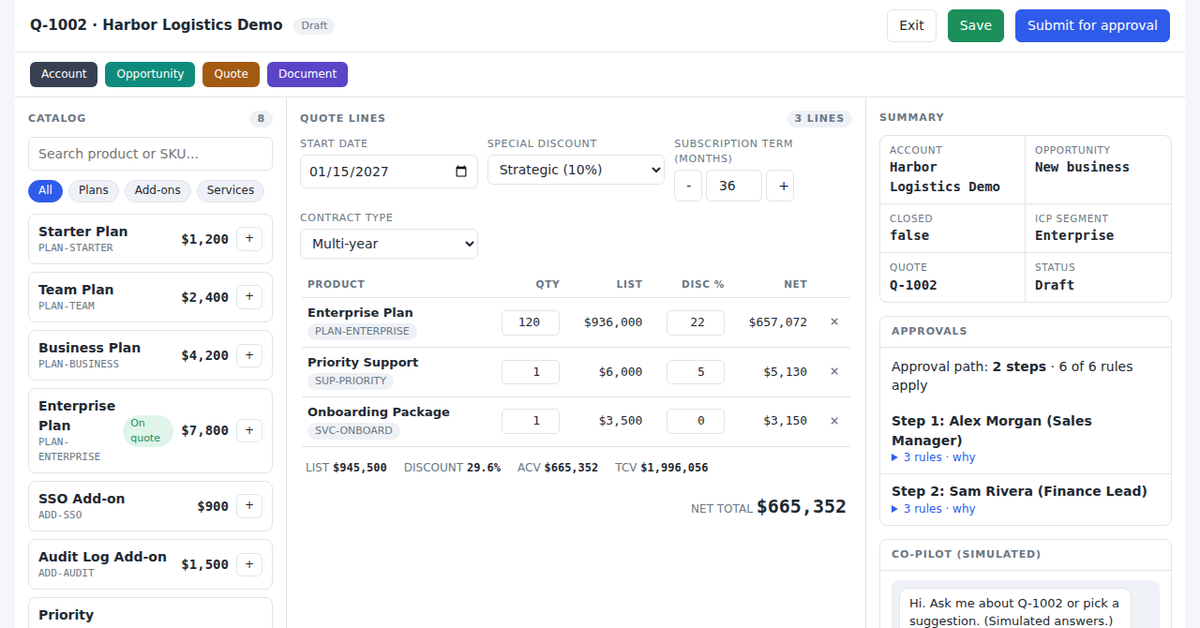
Field notes: failure modes in revenue systems

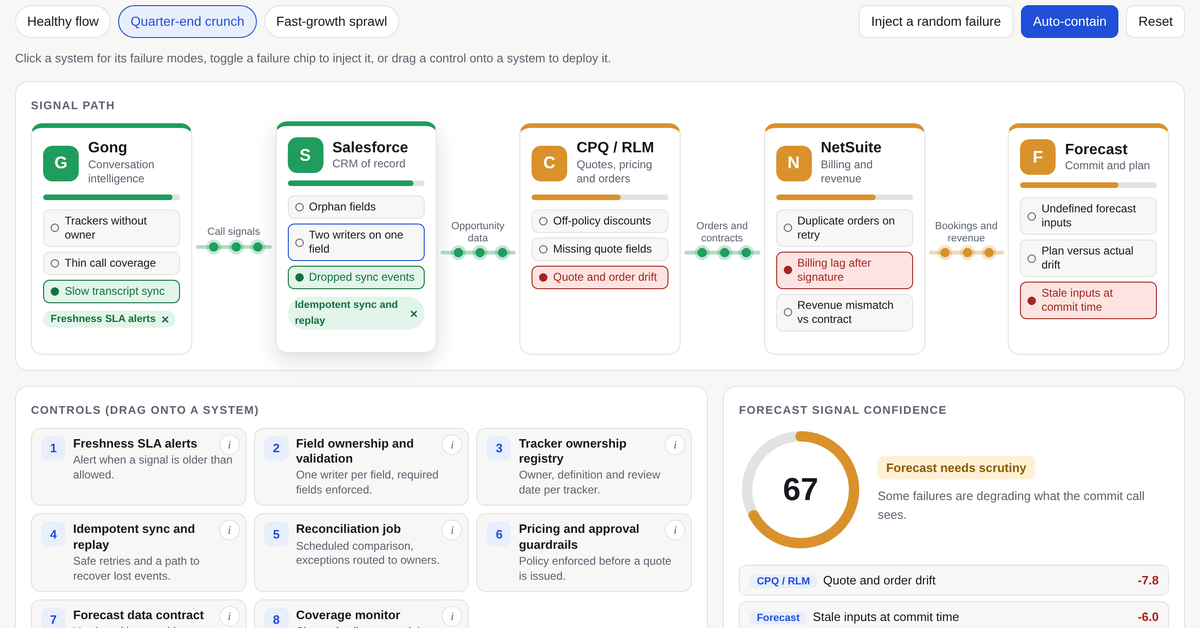
Revenue systems rarely fail loudly. These patterns recur across CPQ, billing and integration work, each with the design response I reach for first.

Silent automation failure
A flow or recipe stops doing its job without raising an error. Treat expected outcomes as assertions, monitor for the absence of events, and alert on silence.
Approval routing drift
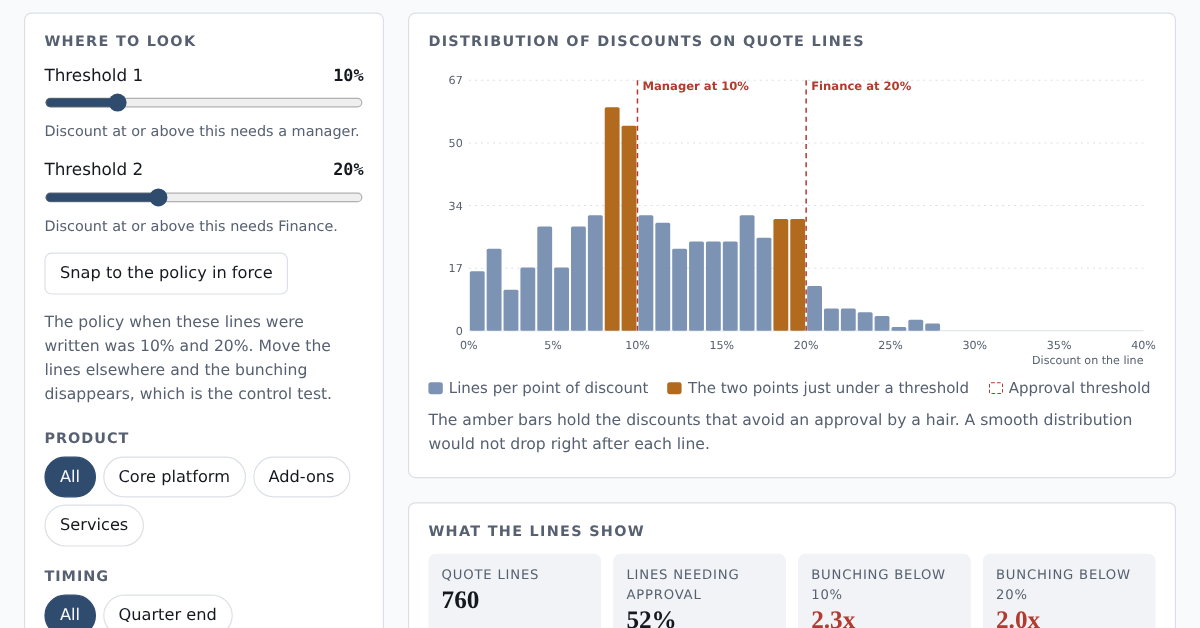
Rules reference people, roles or fields that change, so quotes stall or reach the wrong approver. Route by role through a single resolver, and add fallback paths and time-based escalation.
Races between automations
Two triggers, flows or integrations update the same record and the last writer wins. Give each field one owner, order execution explicitly, and use optimistic locking at integration edges.
Calculation latency and platform limits
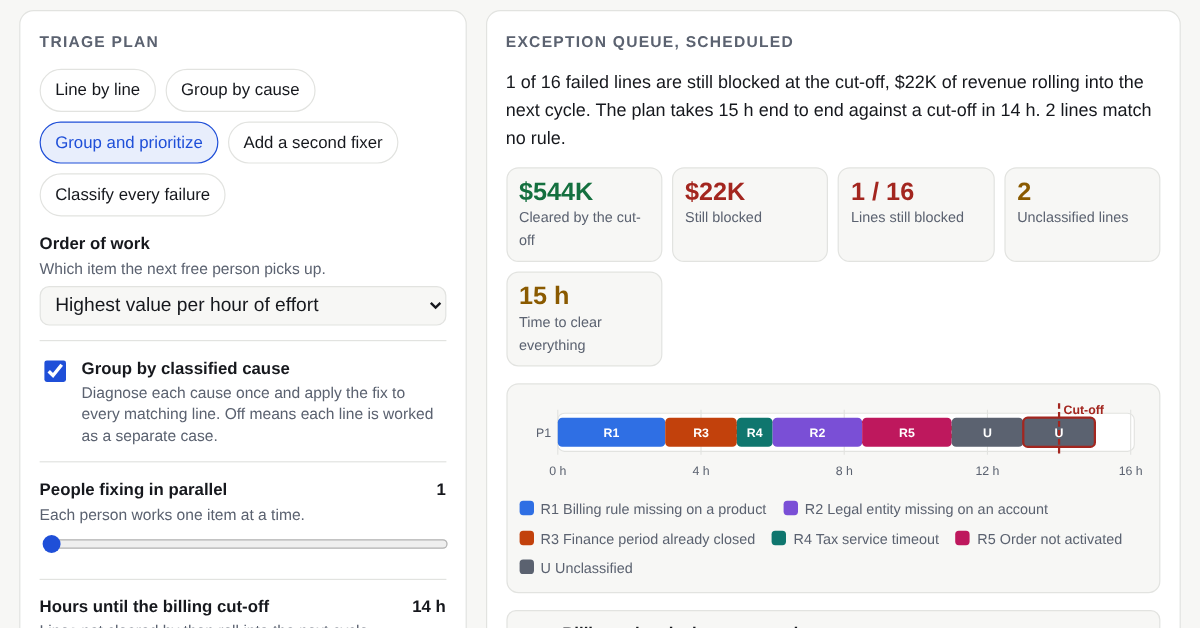
Quote calculation slows or hits limits as bundles, lines and rules grow. Bound the problem size, move heavy logic out of the synchronous path, and load test at quarter-end volumes.
Sync divergence
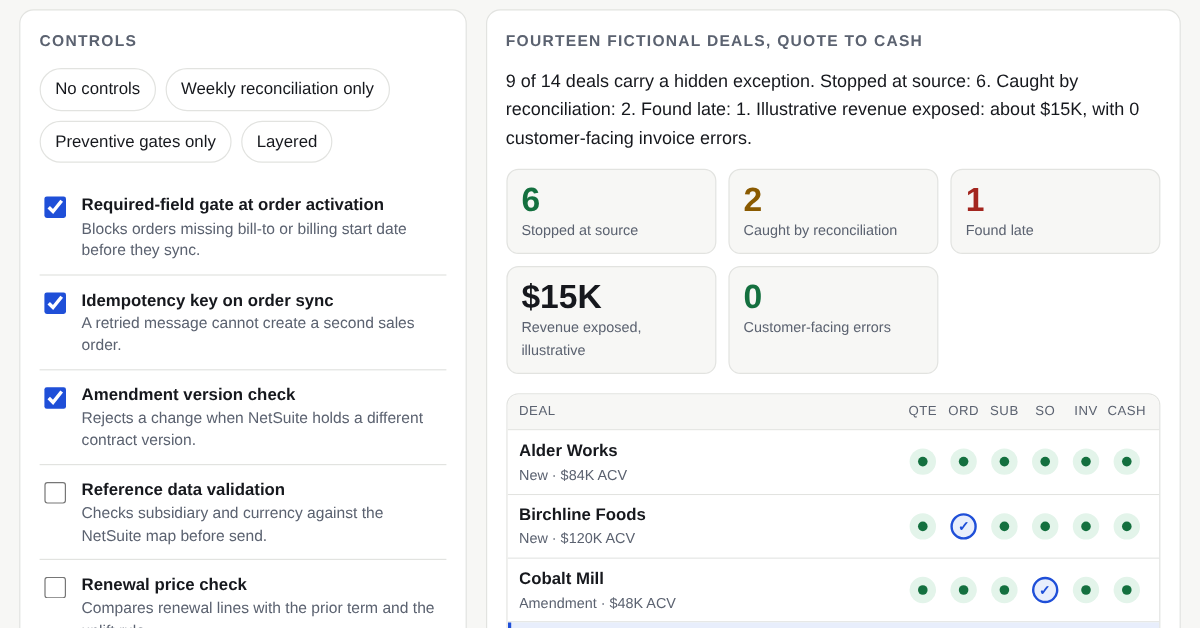
CRM, billing and ERP drift apart through partial failures and replays. Use idempotent writes, a reconciliation job that proves convergence, and one named system of record per attribute.
Data volume decay
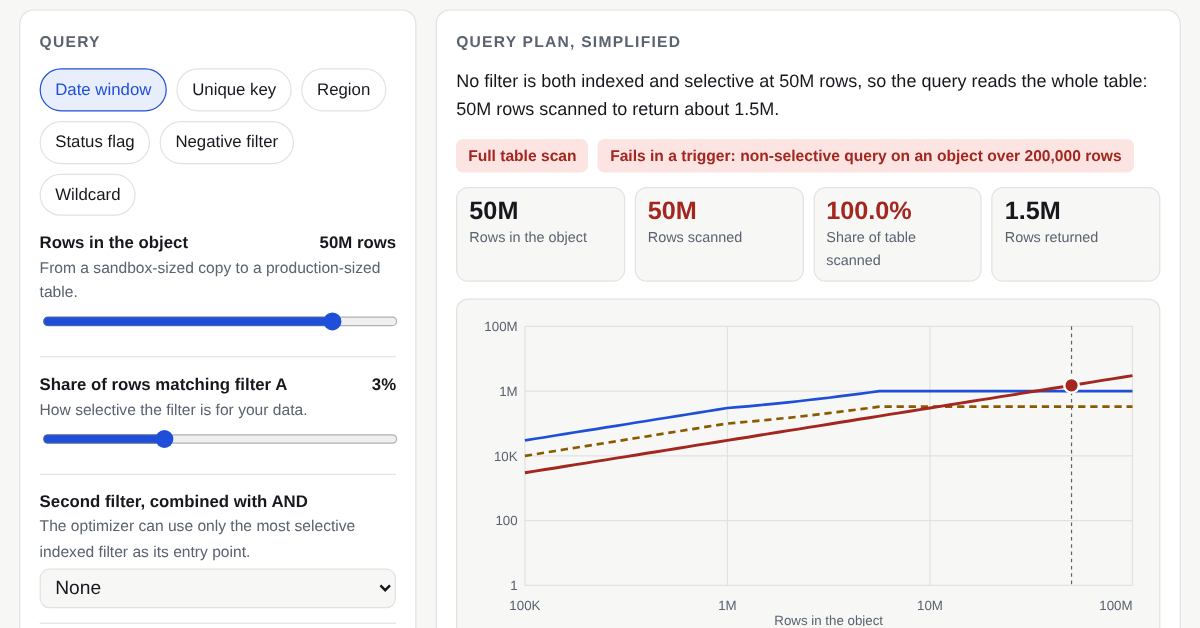
Queries, reports and triggers degrade as record counts climb into the millions. Rely on selective indexed queries, an archival policy and awareness of data skew.

Back to top

Architecture highlights

Three composite cases. Each generalizes problems that recur across organizations. None describes a single company or engagement.

Quote calculation under quarter-end load

Challenge
Calculation time grows with bundle depth and line count. At quarter close, concurrent edits cause record locks, users retry, and the retries multiply the load.
Design
Profile the calculation path and remove redundant rule evaluation. Move enrichment and non-blocking updates to asynchronous jobs, make Apex bulk-safe and lock-aware, and cap line growth through product model changes. Add a load test that replays a quarter-end profile.
Outcome
Quote editing stays responsive at peak, lock errors become rare and observable, and the team runs a repeatable performance test before each release.

Read the full write-up

CRM to ERP orchestration with provable convergence

Challenge
Contracts and invoices flow from Salesforce to billing and the ERP. After partial failures and replays, the ledger and the CRM disagree, and finance reconciles by hand at every close.
Design
Event-driven flows in Workato with idempotency keys, ordered processing per account, retry with backoff and a dead-letter queue. A scheduled reconciliation compares both systems and reports differences by cause. Each attribute has one named system of record.
Outcome
Divergence is detected shortly after it happens instead of at close, replays are safe, and the trail between commercial and financial systems reads as one chain.

Governing large data volumes in a revenue organization

Challenge
Objects with millions of records slow reports, triggers and integrations. Ownership and parent-child skew cause locking during bulk loads.
Design
Selective, indexed access paths. A lifecycle policy that moves cold records to the warehouse through Fivetran into Snowflake. Skew-aware loading and governed ingestion pipelines with data quality checks.
Outcome
Predictable performance, a documented retention model, and analytics that no longer depend on querying the CRM directly.

Back to top

Stack and standards

Platform
Salesforce CPQ, Revenue Cloud, Revenue Lifecycle Management, Data Cloud, Sales and Service Cloud, PRM, CRM Analytics, Spiff, Billing.
Integration and data
Workato, REST and SOAP APIs, event-driven design, Snowflake, Fivetran, NetSuite, SAP, Oracle, Workday, Stripe.
Languages and delivery
Apex, LWC, Python, C++, SQL, Node.js, SuiteScript, CI/CD, DevOps.
GTM systems
LeanData, Gong, Outreach, Clay, Unify, ZoomInfo, HubSpot.
Applied AI
Claude for integration design, test generation, review and runbooks, under human review.
Credentials
Salesforce Certified Advanced Administrator, CPQ Administrator, Platform Data Architect and Administrator.

Back to top

Background

Focus
Lead-to-cash architecture, integration reliability, applied AI
Experience
20+ years in engineering, 8+ years in Salesforce ecosystems
Sectors
B2B SaaS, banking, insurance, manufacturing
Education
Engineering degree in electronics, Universidad Nacional de San Juan
Languages
English and Spanish
Based in
Argentina

More than twenty years of engineering, from embedded and industrial systems in C++ and Python to distributed services and APIs. For the last eight years the focus has been Salesforce ecosystems across B2B SaaS, banking, insurance and manufacturing.

Back to top

Contact

I enjoy exchanging ideas with architects, RevOps leaders and founders who work on revenue systems, especially on reliability, integration design and the practical limits of AI in engineering.

Back to top